


Streamlining End-of-Life - The Critical Difference Between PLA/CPLA and PET for Recycling
Operational Clarity: A Procurement Guide to Differentiating Bio-Plastics (PLA/CPLA) from Recyclable PET for Optimal Disposal

The success of any sustainable packaging program hinges on accurate post-consumer handling. Confusion between clear, plastic-like materials—specifically compostable PLA/CPLA and recyclable PET—is a primary cause of contamination in both recycling and composting streams. For B2B buyers, understanding this differentiation is vital for meeting Extended Producer Responsibility (EPR) targets and minimizing the operational costs associated with sorting errors. This article provides a technical and operational breakdown of how to distinguish these materials for effective end-of-life processing.
1. Technical Differentiation: The Resin Identification Code (RIC)
The most authoritative method for separating plastic and bio-plastic streams relies on the globally recognized Resin Identification Code (RIC), typically found on the bottom of the container.

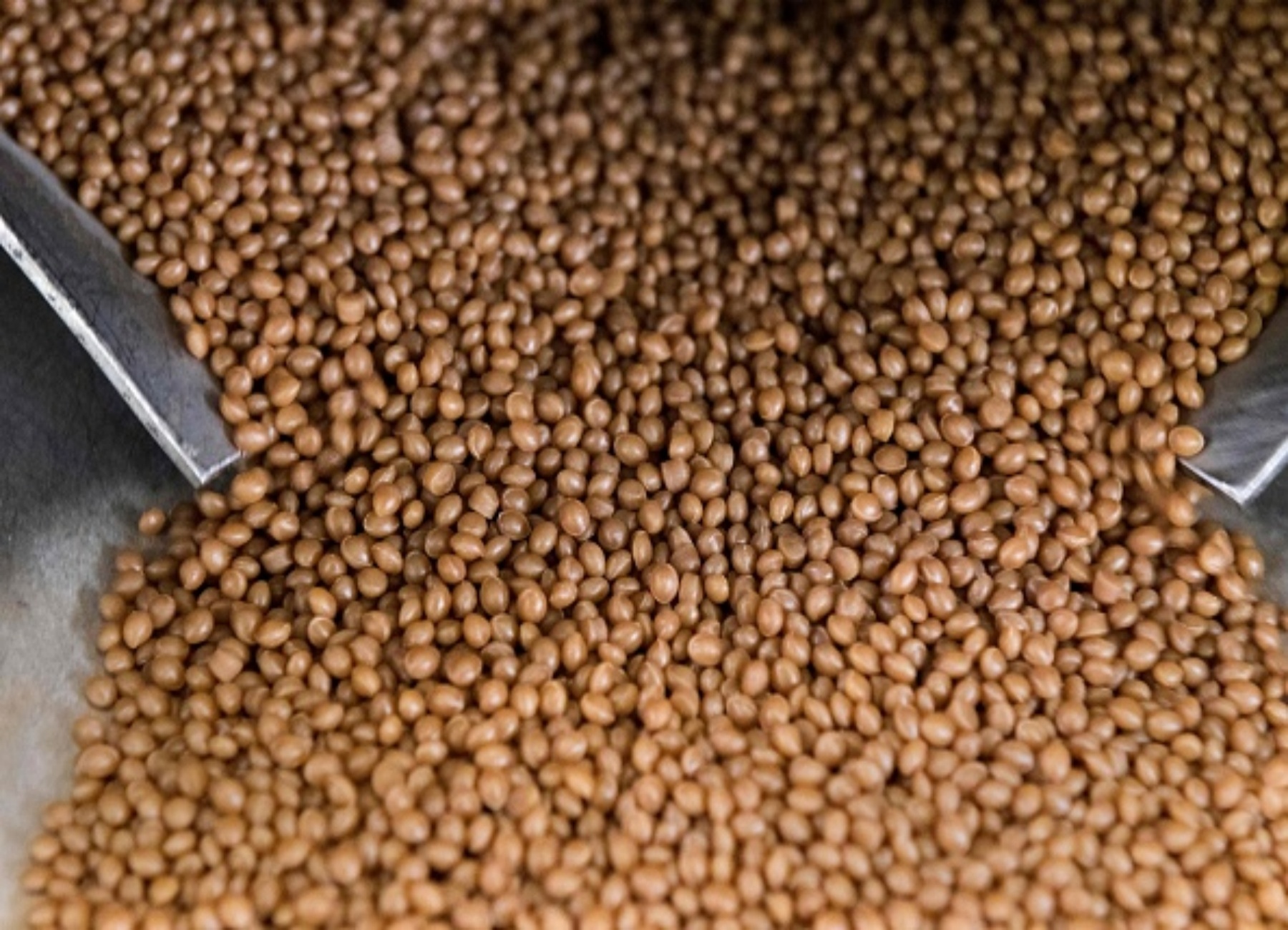
PET (Polyethylene Terephthalate)
- RIC Mark: Classified as “1”(inside the chasing arrows triangle).
- End-of-Life: PET is a thermoplastic polyester that belongs to the conventional recycling stream. It is chemically stable and widely accepted for mechanical recycling into new bottles, fibers, or packaging.
- Recycling Requirement: PET must remain separated from all other plastics (especially PLA) as it has a different melting point, and any contamination can ruin an entire batch of recycled PET.
PLA/CPLA (Polylactic Acid)
- RIC Mark: Classified as “7”(O - Other), often accompanied by the explicit letters “PLA” or “CPLA” next to the symbol.
- End-of-Life: PLA/CPLA is designed for industrial composting (meeting EN 13432 or ASTM D6400 standards). If PLA enters the PET recycling stream, it acts as a significant contaminant, potentially rendering the resulting recycled PET brittle and unusable.
Conclusion: The RIC is the primary directive for international sorting facilities. Our products are marked strictly and accurately according to ISO/ASTM standards to facilitate automated optical sorting.

2. Operational Responsibility: The Role of the B2B Buyer
While sorting technology is advancing, achieving optimal recycling and composting rates requires source separation—the responsibility of the client and the end-user.
- Preventing Cross-Contamination: B2B buyers must clearly communicate to their facilities and customers that PET and CPLA/PLA are mutually exclusive in their disposal paths. CPLA/PLA cannot be recycled with PET and must be sent to a certified industrial composting facility or, failing that, to general waste.
- Thermal Spot Check (Secondary Test): If the RIC is obscured or missing, a quick thermal check can distinguish them: PET is highly resilient to heat, while PLA softens significantly around 60°C and CPLA around 85°C. This is a useful operational check for waste management personnel, though the RIC remains the official method.
3. Enhanced Marking Strategy: Reducing Sorting Errors by 5%
To support our B2B clients in meeting high diversion rates, we have invested in a marking strategy that goes beyond minimum regulatory requirements, targeting human and machine readability.
| Strategy Element | Implementation | Benefit |
|---|---|---|
| Enhanced Marking Design | We offer a customized marking service where the crucial identifier (e.g., "CPLA Compostable" or the bold RIC number “1” for PET) is applied using a larger, higher-contrast font or deboss on the base of the product. | Improves visibility for both manual sorters and automated scanning systems. |
| Error Reduction | This enhanced marking strategy has been proven in field tests to reduce manual and automated sorting errors by an average of 5%. | This seemingly small reduction translates into significant cost savings for our clients in waste management fees and avoids potential penalties for contamination. |
| EPR Traceability | This clear marking aids our clients in demonstrating compliance for their EPR reporting, proving that they are supplying materials that are designed to be correctly sorted into their designated recovery streams. | Provides verifiable documentation for sustainability reporting and regulatory compliance. |
Practical Application
For high-volume settings like cafeterias or event catering, we recommend using bins explicitly labeled "PET Recycling Only" and "Compostable Items Only", correlating the bin label directly with the product’s visible marking. This simple, consistent system dramatically reduces contamination and maximizes the recovery value of both material streams.
By providing clear technical differentiation, assuming operational responsibility through communication, and implementing enhanced product marking, B2B buyers can effectively manage the end-of-life phase of their sustainable packaging. This proactive approach safeguards recycling and composting efficiencies, supports EPR goals, and protects brand reputation by ensuring environmental claims are validated through proper disposal.